
What Is a Heat Pump?
A heat pump is an energy-efficient system that helps heat and cool buildings by moving heat from one place to another instead of generating heat directly from fuel. During colder months, it can collect heat from outdoor air, the ground, or water and transfer it indoors. During warmer months, the process can reverse, removing heat from inside the building to help keep it cool.
Because heat pumps can provide both heating and cooling in one system, they are becoming an important solution for comfortable, energy-efficient, and more sustainable buildings. They can also work well with other clean energy solutions, such as solar panels and improved building insulation.
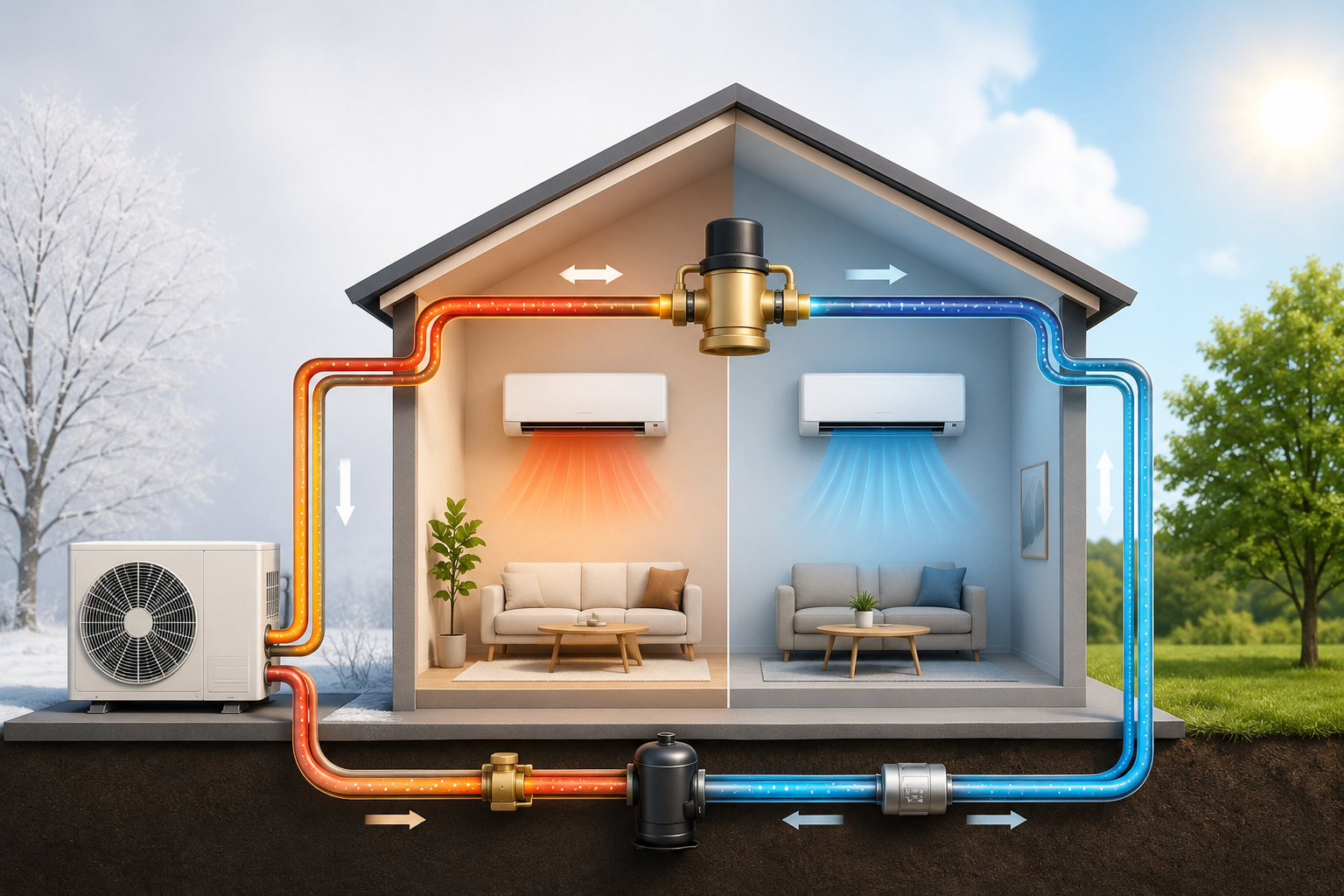
How Does a Heat Pump Work?
A heat pump works by transferring heat rather than producing it directly. In heating mode, it collects available heat from outside air, the ground, or water and moves it indoors. In cooling mode, the process reverses, removing heat from inside the building and releasing it outside.
This transfer process is possible through a cycle that uses refrigerant, a compressor, heat exchangers, and expansion components. Although the technology may sound complex, the basic idea is simple: a heat pump moves heat to where it is needed, helping buildings stay comfortable while using energy more efficiently.
Air-Source Heat Pumps
Air-source heat pumps are one of the most common types of heat pump systems. They transfer heat between the outdoor air and the indoor space, helping buildings stay warm in winter and cool in summer.
Because they use outside air as the heat source, they are often easier to install than ground-source or water-source systems. Air-source heat pumps can be used in houses, apartments, small commercial buildings, and retrofit projects where improving energy efficiency is a priority.

Cold-Climate Heat Pumps
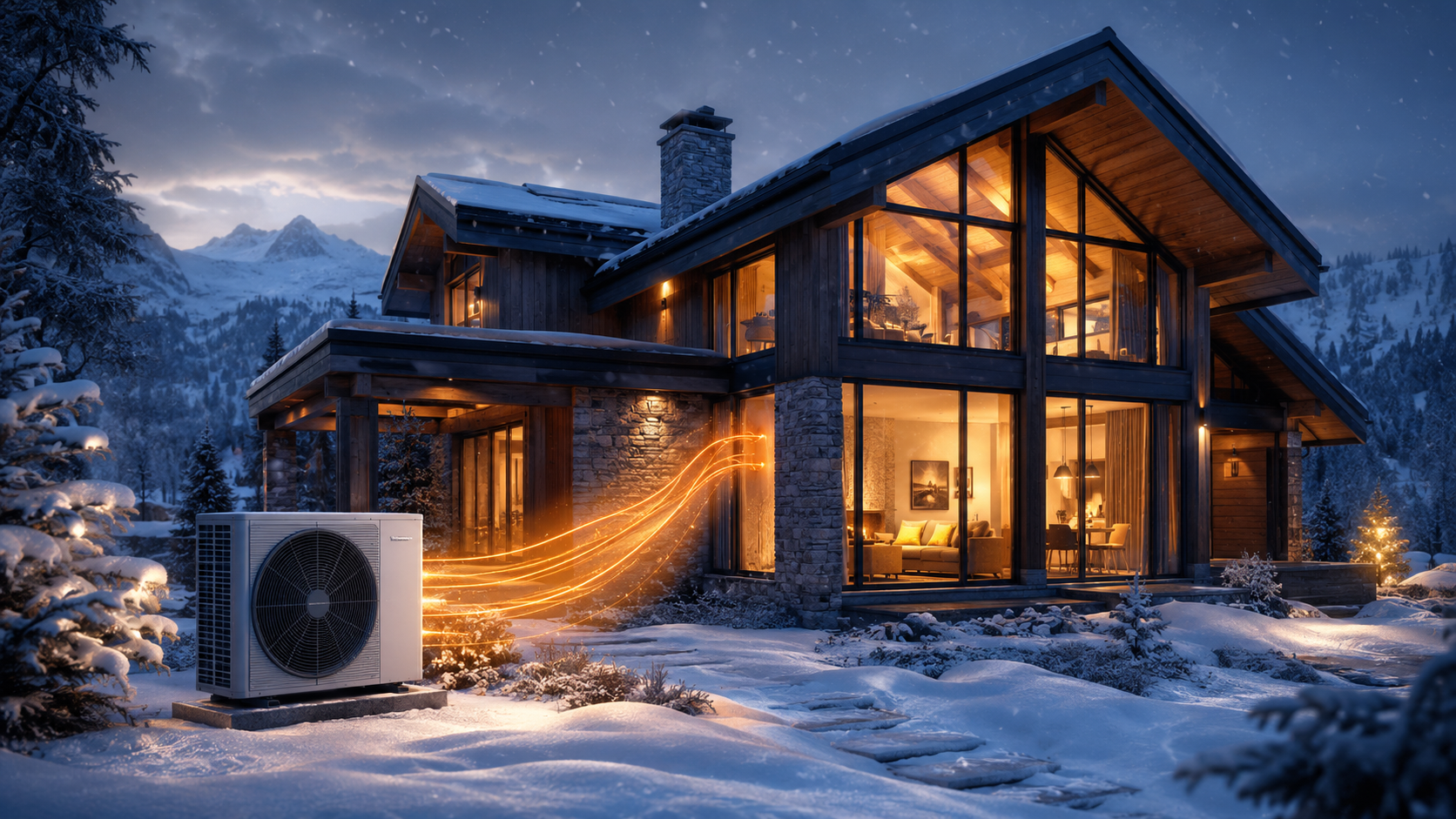
Cold-climate heat pumps are designed to provide efficient heating even when outdoor temperatures are low. They are especially important in countries like Canada, where buildings need reliable heating during long and cold winters.
Unlike older heat pump systems that could lose performance quickly in cold weather, many modern cold-climate models are built to operate more effectively in freezing conditions. With proper design, installation, and insulation, they can help buildings stay comfortable while supporting lower energy use and more sustainable heating.
Ground-Source / Geothermal Heat Pumps
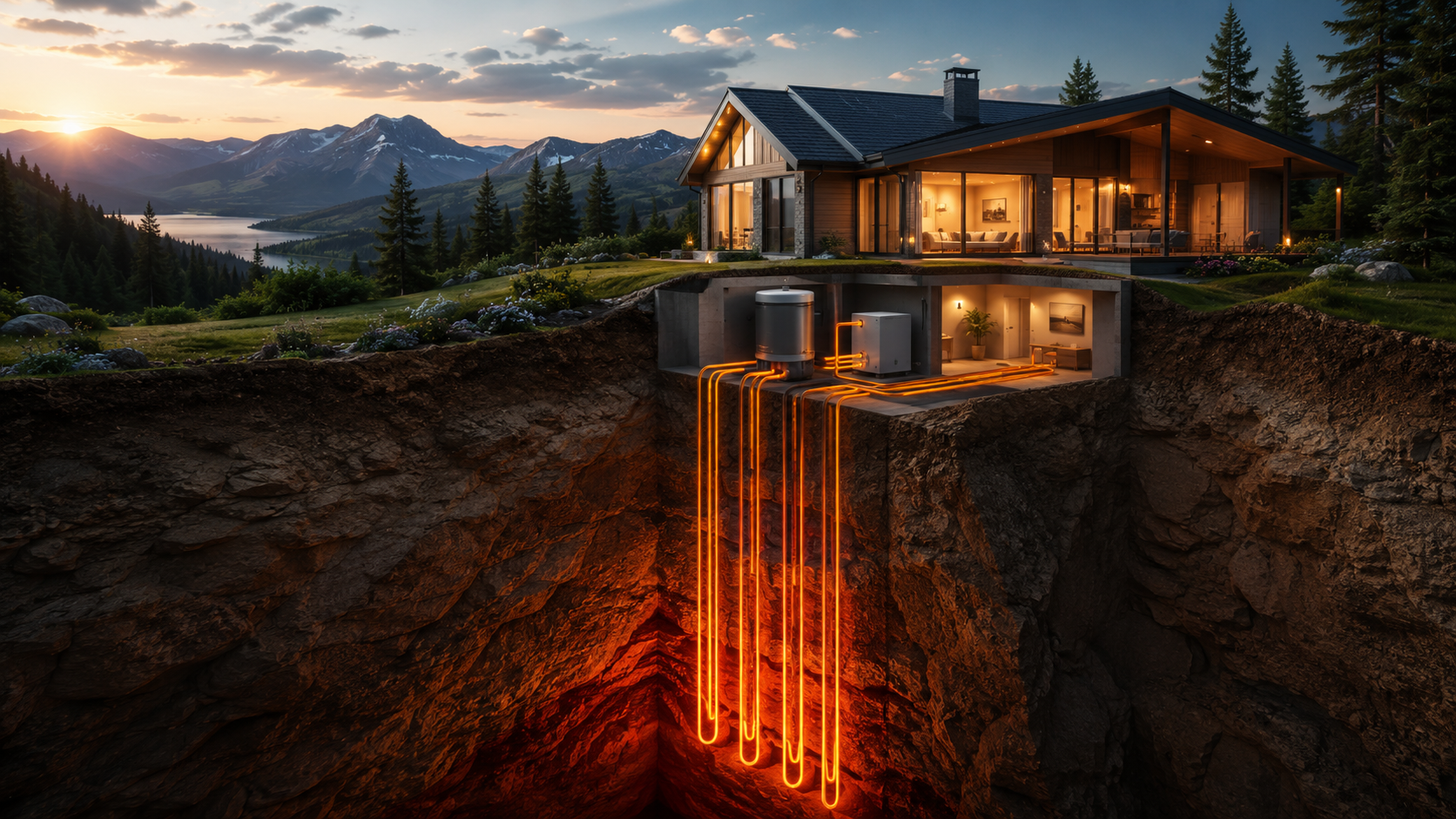
Ground-source heat pumps, also known as geothermal heat pumps, use the stable temperature of the ground to help heat and cool buildings. Instead of relying mainly on outdoor air, these systems transfer heat between the building and the earth through underground pipes.
Because ground temperatures are usually more consistent than outdoor air temperatures, geothermal systems can provide strong energy performance throughout the year. They are often considered for new construction, larger properties, and projects where long-term energy efficiency is a priority.
Water-Source Heat Pumps
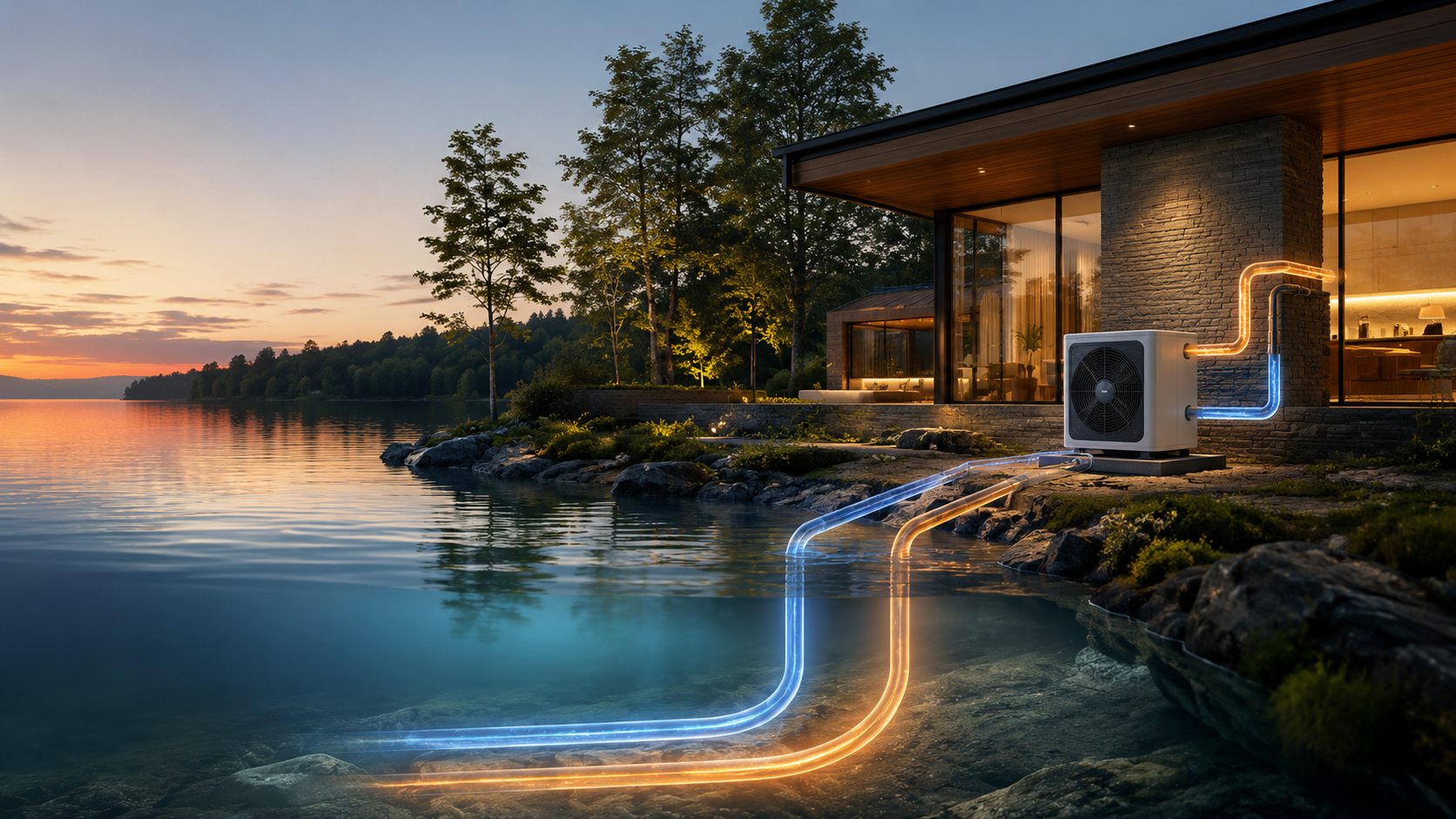
Water-source heat pumps use water as a source for heating and cooling. Instead of exchanging heat mainly with outdoor air or underground soil, these systems transfer heat between a building and a water source, such as groundwater, a lake, a pond, or a shared water loop.
Because water can hold and transfer heat effectively, water-source heat pumps can provide efficient performance when the site conditions are suitable. They are often used in larger buildings, multi-unit developments, campuses, and projects connected to district energy systems.
Ducted Heat Pump Systems
Ducted heat pump systems use a network of ducts to distribute warm or cool air throughout a building. They work in a similar way to central heating and cooling systems, but instead of only producing heat, they transfer heat efficiently between indoors and outdoors.
These systems can be a good option for buildings that already have ductwork, such as homes with forced-air furnaces or central air conditioning. With the right design and installation, a ducted heat pump can provide year-round comfort from one system.

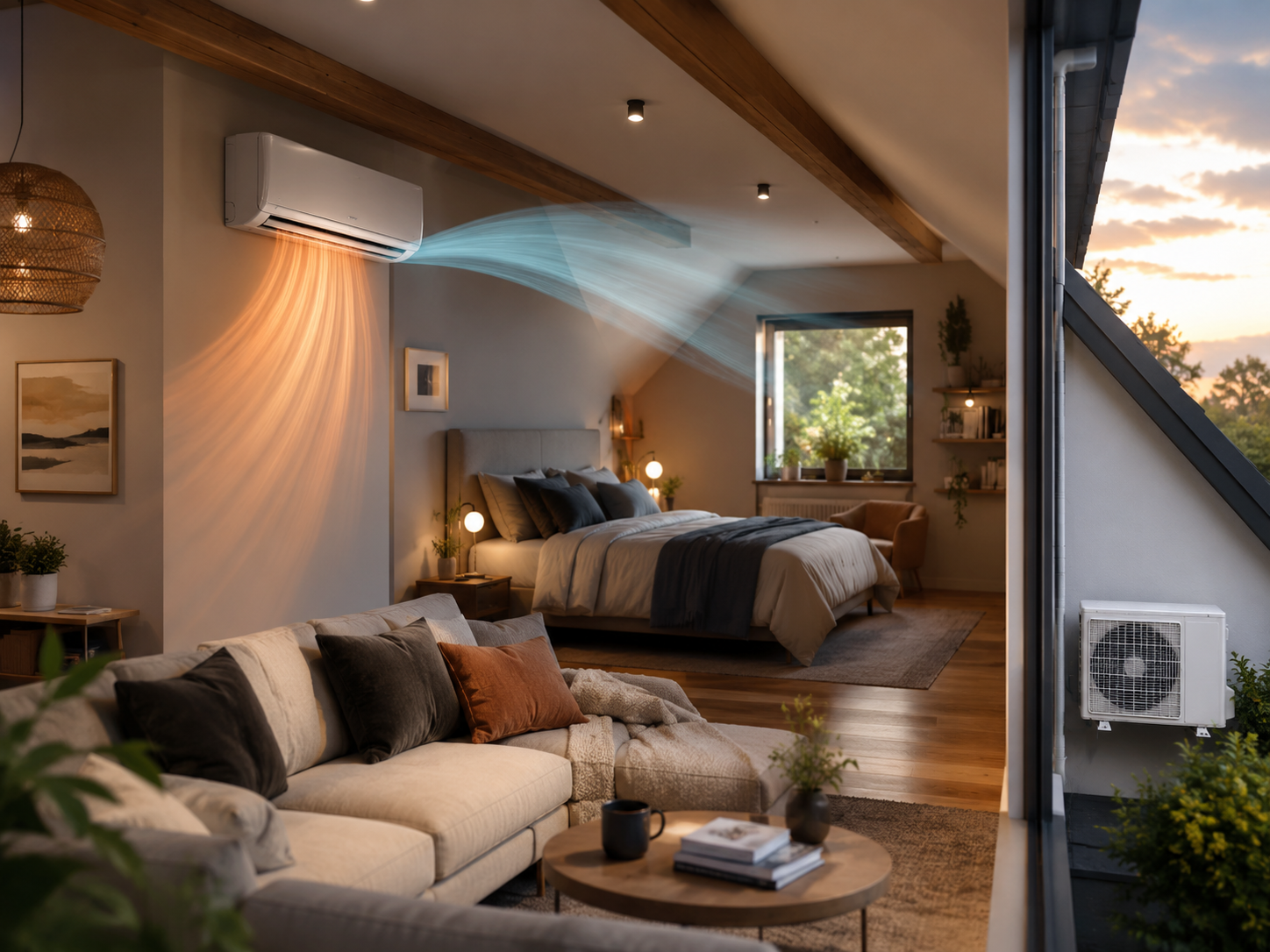
Ductless Mini-Split Heat Pumps
Ductless mini-split heat pumps provide heating and cooling without using a traditional duct system. They usually include an outdoor unit connected to one or more indoor units that can be mounted on a wall, ceiling, or floor.
Because they do not require ductwork, mini-splits can be a good option for homes without existing ducts, room additions, apartments, basements, garages, and spaces that need individual temperature control. They can help improve comfort while supporting more efficient heating and cooling.
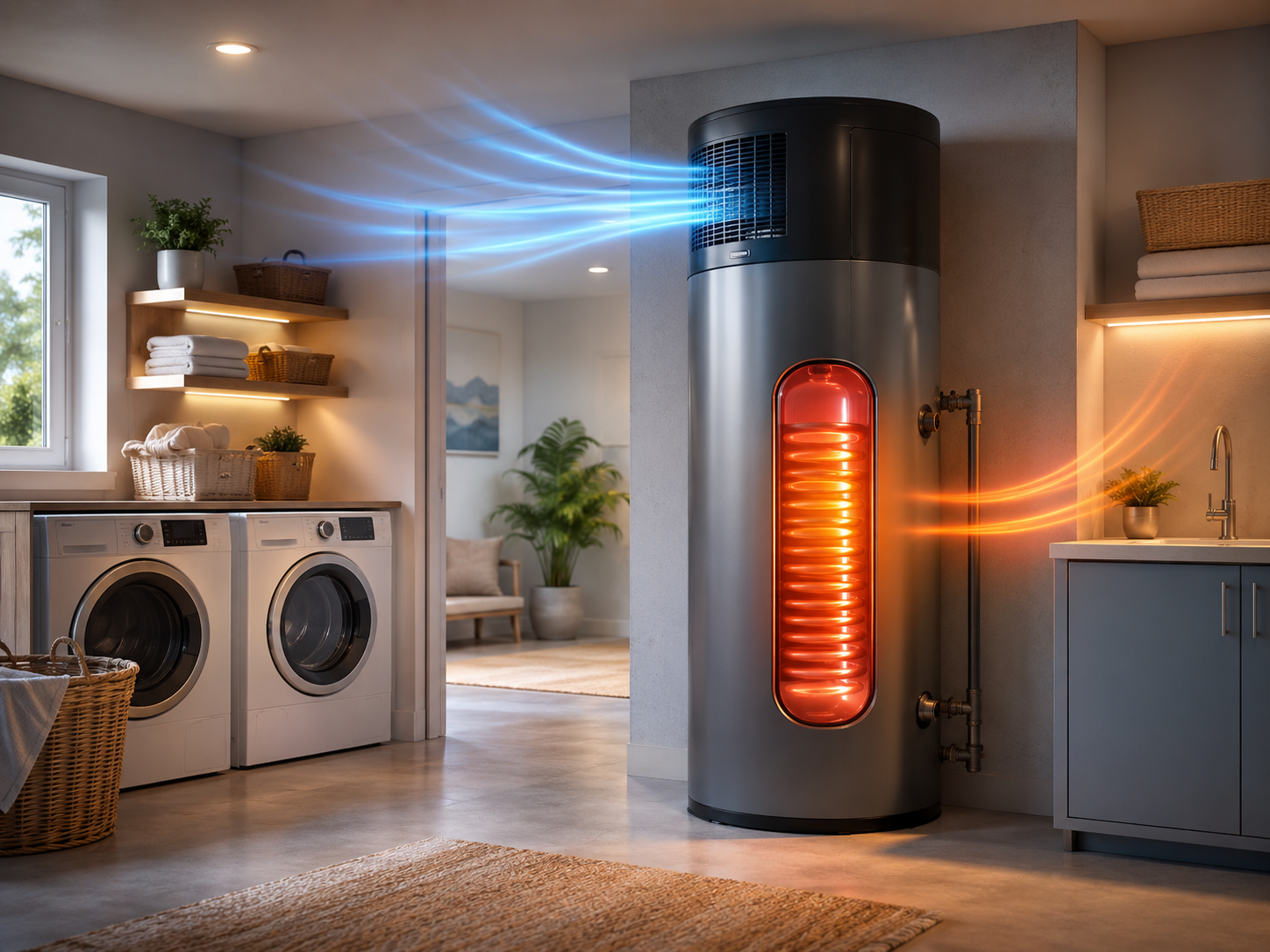
Heat Pump Water Heaters
Heat pump water heaters use heat from the surrounding air to warm water for daily use. Instead of generating heat directly like a traditional electric water heater, they transfer existing heat into a storage tank.
Because they move heat rather than create it from scratch, heat pump water heaters can be a more energy-efficient option for homes and buildings. They can help reduce energy use for showers, sinks, laundry, and other hot water needs.
Benefits and Limitations of Heat Pumps
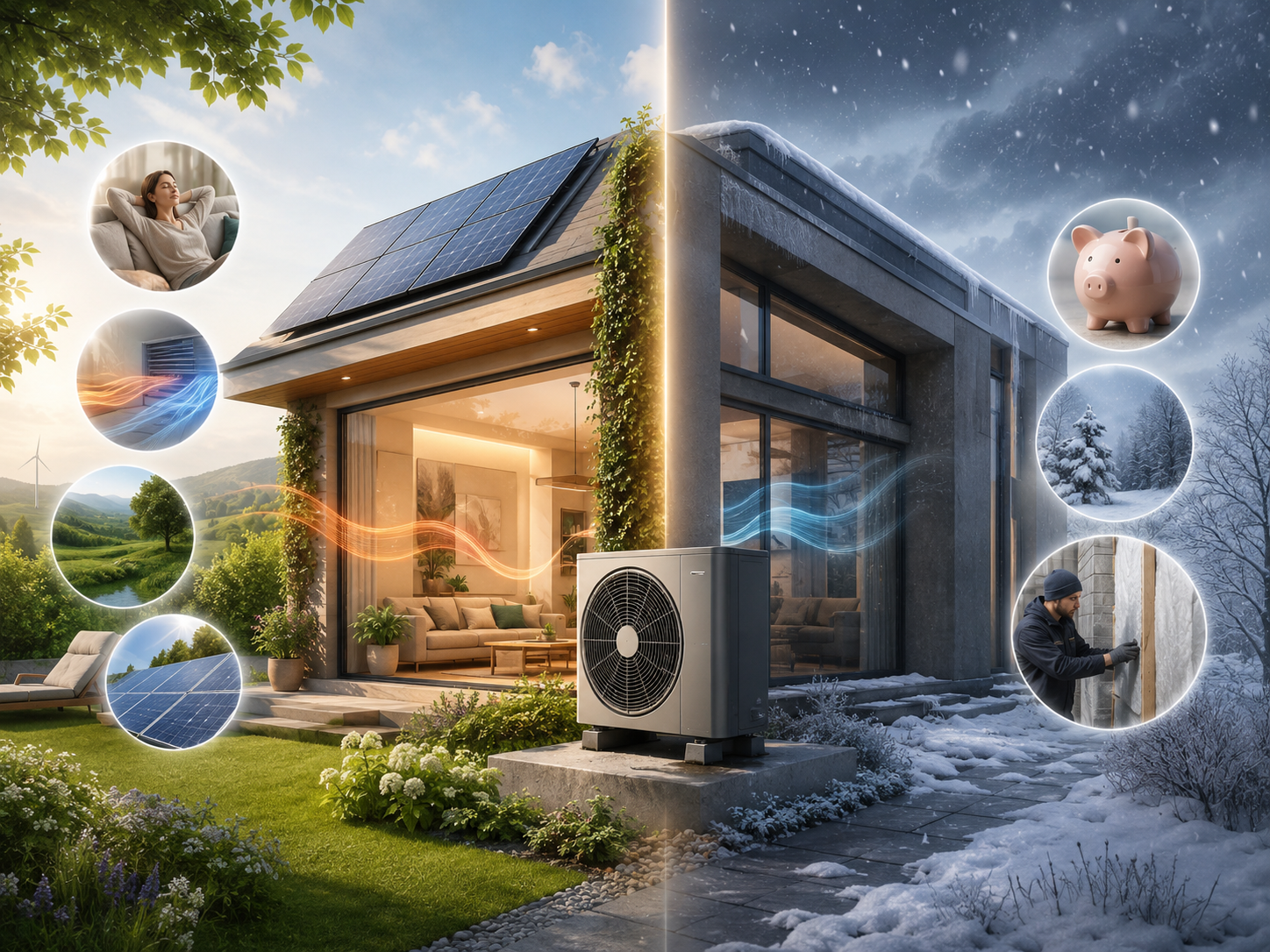
Heat pumps can offer many benefits, including energy-efficient heating and cooling, year-round comfort, and lower emissions when powered by cleaner electricity. They can also work well with other sustainable building solutions such as solar panels, insulation upgrades, and high-performance windows.
However, heat pumps are not a one-size-fits-all solution. Their performance depends on the building condition, climate, system size, installation quality, and available budget. Understanding both the advantages and limitations can help homeowners, businesses, and project teams make better energy decisions.
Heat Pumps and Sustainable Buildings
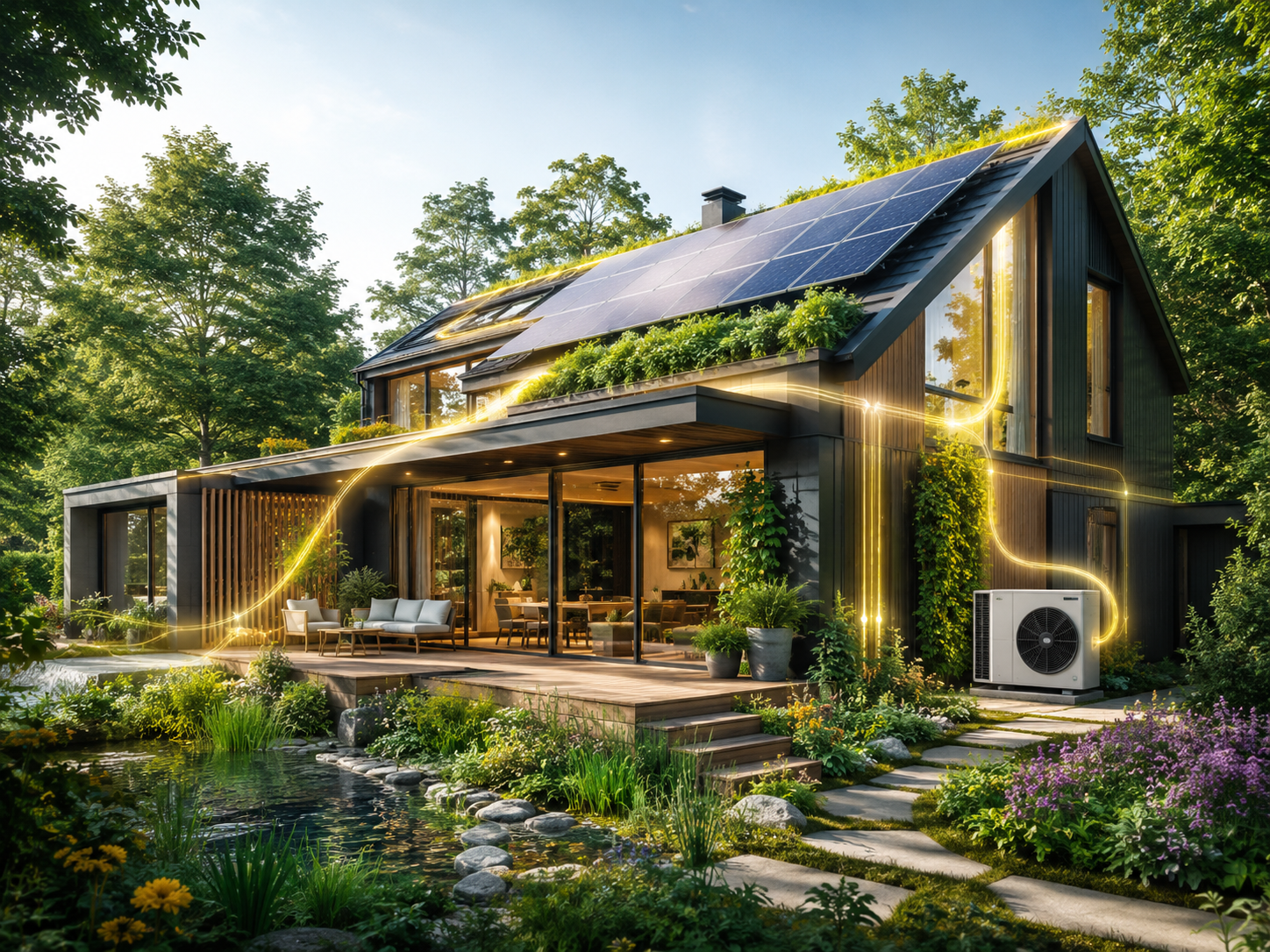
Heat pumps can play an important role in sustainable building design because they provide heating and cooling more efficiently than many traditional systems. Instead of generating heat directly from fuel, they move heat from one place to another, helping reduce overall energy demand.
When combined with better insulation, air sealing, high-performance windows, solar panels, and smart energy controls, heat pumps can support buildings that are more comfortable, efficient, and environmentally friendly.